
Quick answer
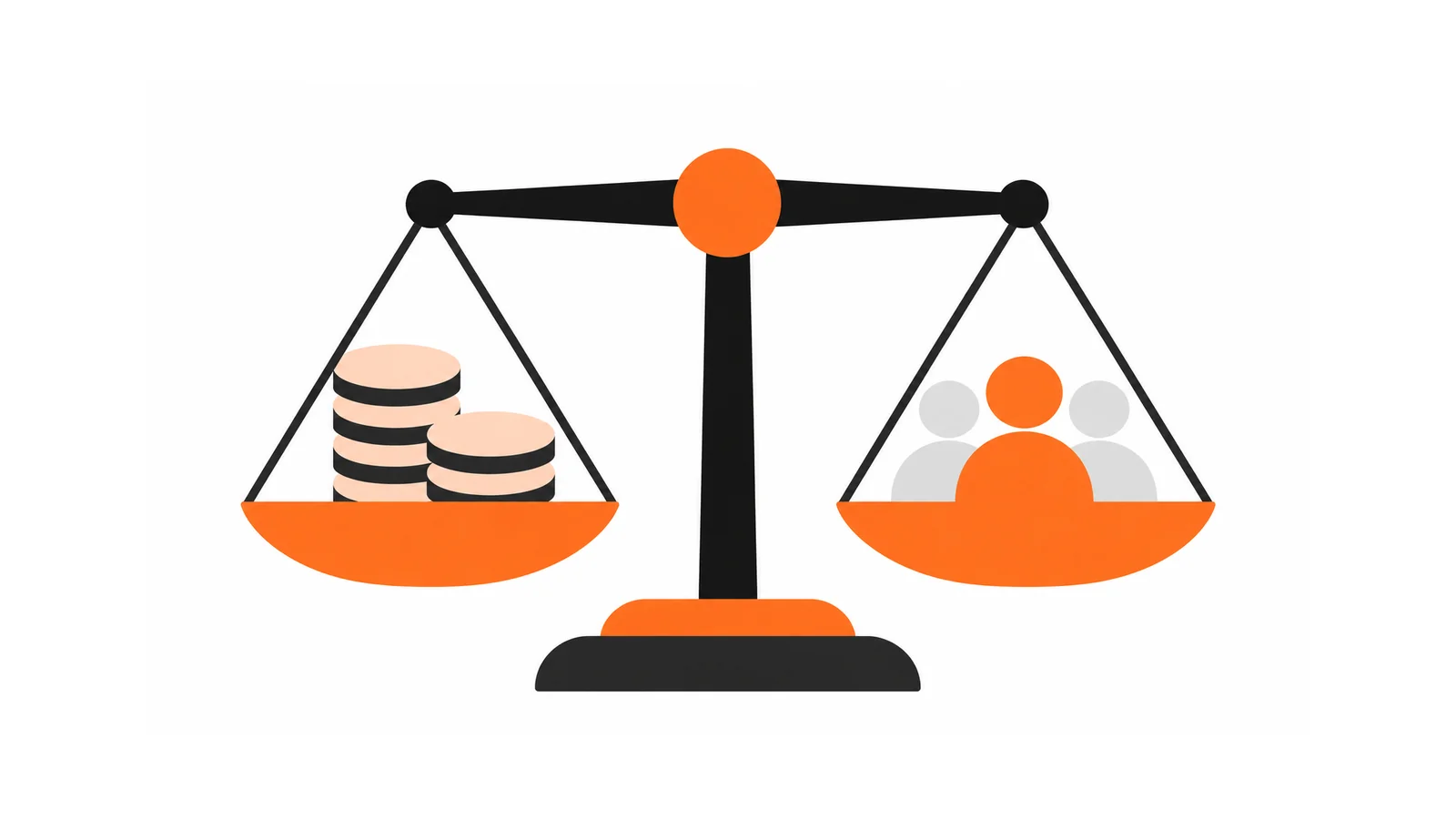
Customer acquisition cost is what you spend to win a new customer. Add provider fees, ad spend, production costs and staff time spent on enquiries over a period long enough to include your sales cycle, then divide by new customers counted consistently. In a hypothetical example, PHP 55,000 over 11 new customers gives PHP 5,000 each.
- Choose a period such as a quarter and use it for both costs and customers.
- Show channel views next to the blended figure, and say how many customers you could not attribute.
- Compare CAC with customer value, margin, capacity and time to see results, not with another business.
Customer acquisition cost (CAC) is what you spend to win a new customer. Small businesses often know their ad spend but not their true cost: the SEO fee, the content, the designer and the staff time chasing enquiries. This guide shows how to calculate it and what its limits are.
All figures are hypothetical PHP examples. They are not benchmarks. Replace them with your own.
Step 1: set the period
Choose a period long enough to include your sales cycle, such as a quarter. Use the same period for costs and customers. If customers take two months to decide, a one-month comparison will mislead.
Step 2: include the relevant costs
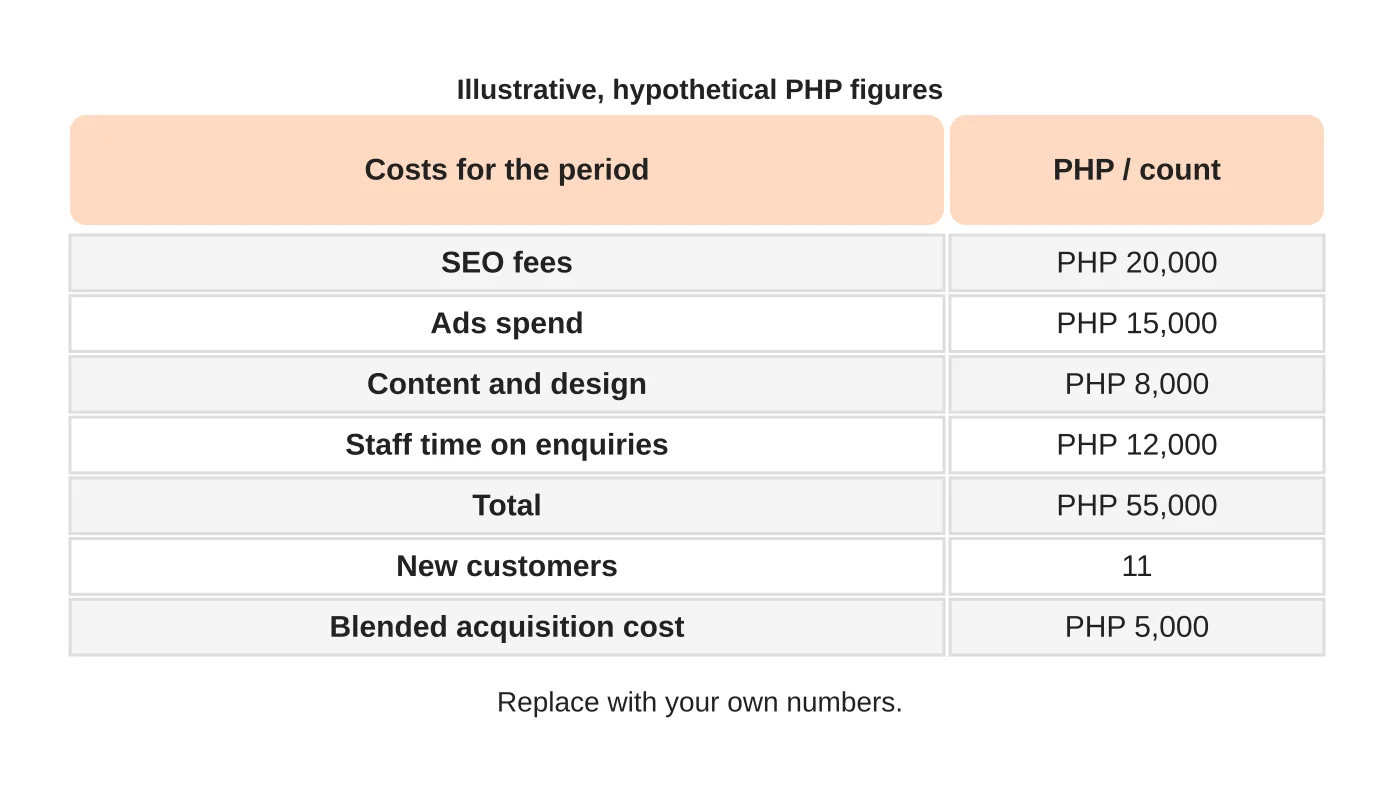
List what you spent to attract and convert customers:
- Provider fees for SEO, ads management or content.
- Ad spend paid to platforms.
- Production costs: design, photos, video, software used for marketing.
- Staff time spent on enquiries, quotes and follow-up, valued at a reasonable rate.
Leave out costs of delivering the service. Be consistent between periods so you can compare. See the hidden cost of cheap software for why staff time matters.
Step 3: count new customers consistently
Count customers who were new to you in the period, not repeat purchases. Define “customer” the same way each time: a paying client, an engaged account or a completed order. Record the source when you know it, by asking them.
Step 4: calculate the blended cost
Divide total acquisition costs by new customers. In the example, PHP 55,000 over 11 new customers gives PHP 5,000 each. Compare it with what a customer is worth to you. See measuring return on a virtual assistant for a similar way of thinking about value.
Step 5: separate channel views carefully
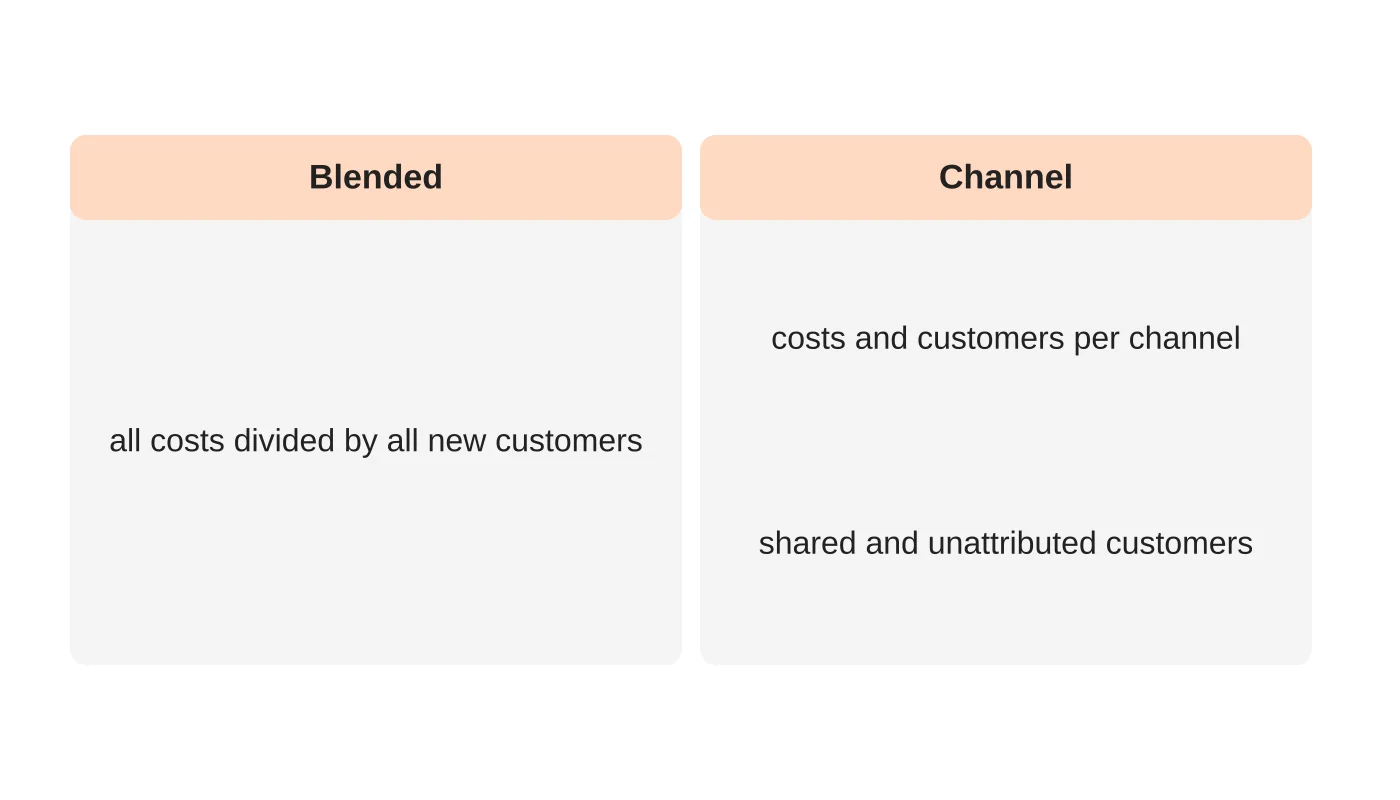
You may want a cost per channel. Be careful: many customers touch several channels before they buy, and some cannot be traced. Present a channel view next to the blended view, and say how many customers you could not attribute. Do not credit a single channel for a shared result. See branded versus non-branded search for an example of attribution limits.
Step 6: use it to decide
CAC helps you compare options and set budgets, but it is not the whole picture. Consider customer value, margin, capacity and how long it takes to see results. See SEO or Google Ads for a Davao business and from data to decisions.
Frequently asked questions
Should I include my own time?
If your time is part of acquiring customers, yes. Value it at a reasonable rate.
What is a good CAC?
It depends on your margin and customer value. Compare with those, not with another business.
What if I have few customers?
Use a longer period so one customer does not swing the result.
Can I use this for B2B?
Yes. B2B cycles are longer, so use longer periods.
Sources
Work out your numbers
Web Design Davao’s digital marketing team can help you set up the numbers behind your acquisition costs. Get in touch.


