Understanding Google Algorithms and Their Impact on SEO
Google algorithms are complex systems that determine how websites are ranked in search results. Understanding these algorithms is crucial for businesses looking to enhance their online visibility and attract more visitors. This knowledge allows webmasters and SEO professionals to optimize their content effectively and align with Google's criteria for ranking.
For instance, the introduction of core updates, like the Broad Core Algorithm, can significantly alter how certain websites perform in search results. By staying informed about these updates and their implications, businesses can adapt their SEO strategies to maintain or improve their rankings, ensuring they remain competitive in the digital landscape.
Key Updates in Google Algorithms Over the Years
Over the years, Google has implemented numerous algorithm updates that have reshaped the SEO landscape. Each update aims to improve search result quality and user experience, making it essential for webmasters to stay updated. Key updates include the Panda, Penguin, and Hummingbird algorithms, each targeting specific aspects of website quality and relevance.
For example, the Penguin update focused on penalizing websites that engaged in manipulative link-building practices, while the Panda update aimed to reduce the ranking of low-quality content. By understanding these updates, businesses can better navigate the challenges posed by Google's ever-evolving search algorithms.
How to Optimize Your Website for Google Algorithms
Optimizing your website for Google algorithms involves several best practices that enhance both content quality and user experience. This includes creating high-quality, relevant content, ensuring fast loading times, and using responsive design to cater to mobile users. Additionally, employing SEO techniques such as keyword optimization and structured data can significantly improve your site's visibility.
Moreover, regularly updating your content to reflect the latest trends and algorithm changes is vital. For instance, incorporating multimedia elements like videos and infographics can boost engagement and dwell time, which are factors that Google considers when ranking pages. By following these optimization strategies, businesses can enhance their chances of ranking higher in search results.
The Future of Google Algorithms and SEO Strategies
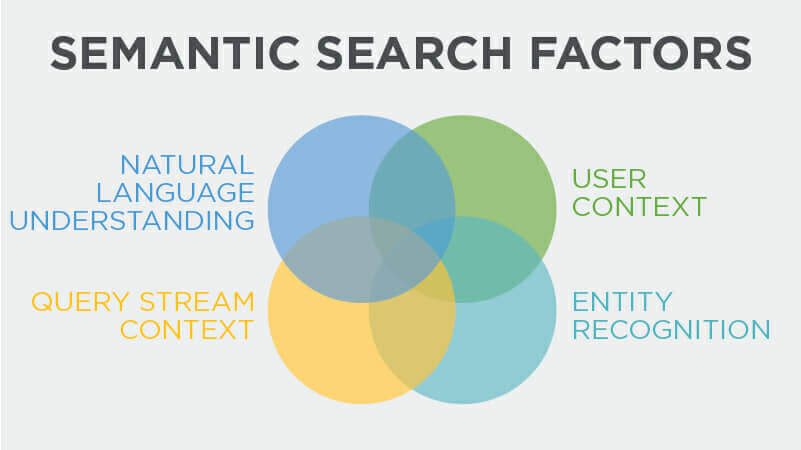
The future of Google algorithms is likely to focus even more on user intent and experience. As technology advances, algorithms will become increasingly sophisticated in understanding context and relevance. This shift will require businesses to adapt their SEO strategies continually, prioritizing user-centric content and engagement.
For example, the rise of artificial intelligence and machine learning in search algorithms suggests that businesses will need to invest in more personalized and adaptive content strategies. By anticipating these changes and being proactive in their SEO efforts, businesses can ensure they remain visible and relevant in an increasingly competitive online environment.