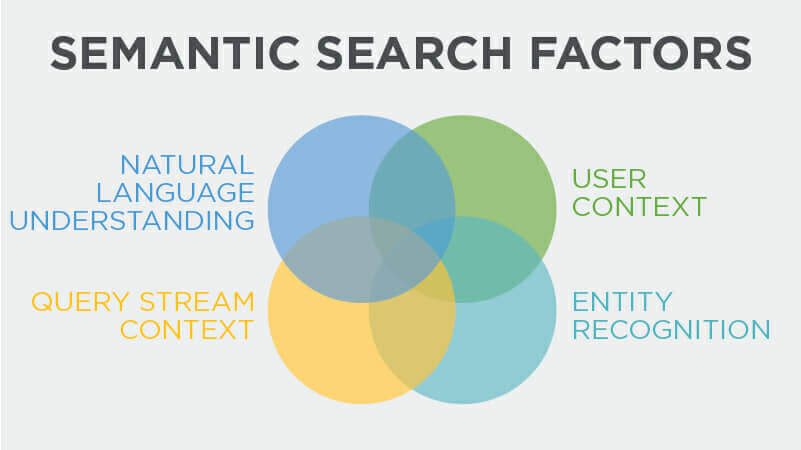
Understanding Google Algorithms and Their Impact on SEO
Google algorithms are complex systems used to retrieve data from its search index and instantly deliver the best possible results for a query. Understanding these algorithms is crucial for businesses aiming to optimize their online presence. As Google continues to update its algorithms, it becomes essential for web designers and marketers to stay informed about these changes to maintain their rankings and visibility in search results.
For instance, the introduction of the Core Web Vitals as a ranking factor emphasizes the importance of user experience. Websites that load quickly, are mobile-friendly, and provide a seamless experience are more likely to rank higher. Keeping abreast of such updates allows businesses to adapt their strategies effectively and leverage the evolving landscape of SEO.
The Role of E.A.T. in Modern SEO Strategies
E.A.T., which stands for Expertise, Authority, and Trust, is a critical framework for evaluating the quality of content in the eyes of Google's algorithms. Websites that demonstrate high levels of E.A.T. are more likely to be favored in search rankings, making it essential for content creators to focus on these elements. By showcasing credible information and establishing authority in their niche, businesses can significantly improve their SEO outcomes.
For example, a web design agency can enhance its E.A.T. by publishing case studies, client testimonials, and expert articles that showcase their knowledge and experience. This not only builds trust with potential clients but also signals to Google that the website is a reliable source of information, which can lead to higher search rankings and increased organic traffic.
Recent Updates to Google Algorithms and Their Implications
Google frequently updates its algorithms to improve the quality of search results. Staying informed about these updates is vital for web designers and marketers who want to maintain their competitive edge. Recent changes have focused on enhancing user experience, combating misinformation, and prioritizing high-quality content, which directly impacts how websites are ranked.
For instance, the rollout of the Helpful Content Update aims to reward content that provides genuine value to users while penalizing pages that are deemed unhelpful or misleading. Understanding these updates allows businesses to refine their content strategies, ensuring they align with Google's expectations and ultimately improving their visibility in search results.
Best Practices for Optimizing Your Website for Google Algorithms
To effectively optimize a website for Google algorithms, it is essential to implement best practices that enhance both content quality and user experience. This includes ensuring fast loading times, mobile responsiveness, and engaging, informative content that meets user intent. By adopting these practices, businesses can improve their chances of ranking higher in search results.
Additionally, regularly updating content to reflect the latest industry trends and algorithm changes is crucial. For example, incorporating keywords strategically without overstuffing, using alt text for images, and creating a user-friendly navigation structure can significantly enhance a website's SEO performance. These efforts not only meet Google's standards but also provide a better experience for visitors, leading to higher engagement and conversions.