Why Invest in Professional Web Design?
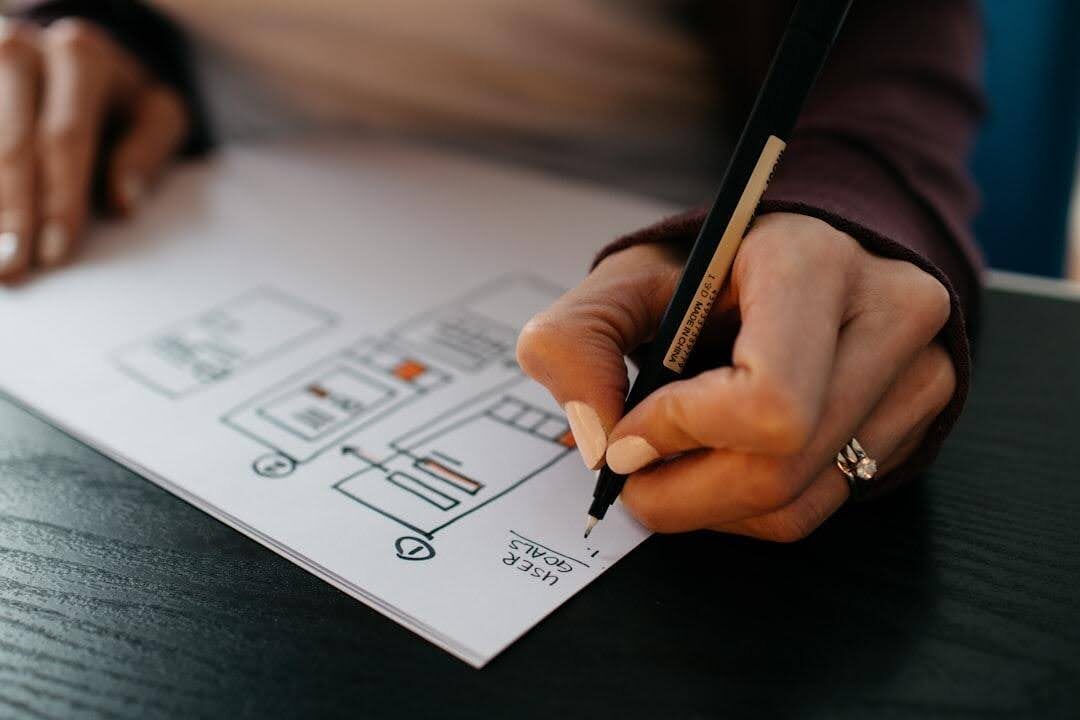
Investing in professional web design is crucial for businesses looking to establish a strong online presence. A well-designed website not only attracts visitors but also enhances user experience, leading to higher engagement and conversion rates. Professional designers understand how to create visually appealing layouts that are functional and aligned with your brand's identity.
Moreover, professional web design incorporates best practices in user experience (UX) and user interface (UI) design, ensuring that your website is intuitive and easy to navigate. This can significantly reduce bounce rates and increase the time users spend on your site, ultimately contributing to better search engine rankings and greater visibility in a competitive market.
The Importance of Responsive Web Design
Responsive web design is essential in today's mobile-first world, where users access websites from various devices. A responsive design ensures that your website adapts seamlessly to different screen sizes, providing an optimal viewing experience whether on a smartphone, tablet, or desktop. This flexibility is vital for retaining users and improving overall satisfaction.
Additionally, search engines like Google prioritize mobile-friendly websites in their rankings. By implementing responsive design, you not only enhance user experience but also improve your site's SEO performance. This means that investing in responsive web design can lead to increased traffic and higher chances of converting visitors into customers.
Key Trends in Web Design for 2024
As technology and user preferences evolve, staying updated with the latest web design trends is essential for businesses. In 2024, we can expect to see a rise in the use of minimalistic designs, bold typography, and immersive multimedia elements. These trends aim to create engaging experiences that captivate users and encourage them to explore more of what your site offers.
Incorporating these trends not only keeps your website visually appealing but also aligns it with current user expectations. For instance, utilizing large images and videos can enhance storytelling and brand messaging, making your website more memorable. Staying ahead of these trends can position your business as a leader in your industry, attracting more visitors and potential clients.
Understanding the Role of SEO in Web Design
Search Engine Optimization (SEO) is a critical aspect of web design that cannot be overlooked. Integrating SEO best practices into your web design process ensures that your site is easily discoverable by search engines, which is vital for driving organic traffic. This includes optimizing page load speeds, using proper heading structures, and ensuring mobile compatibility.
Moreover, effective SEO strategies involve keyword research and content optimization, which should be considered from the outset of the web design process. By collaborating with SEO experts during the design phase, you can create a website that not only looks great but also performs well in search engine results, ultimately leading to increased visibility and business growth.